
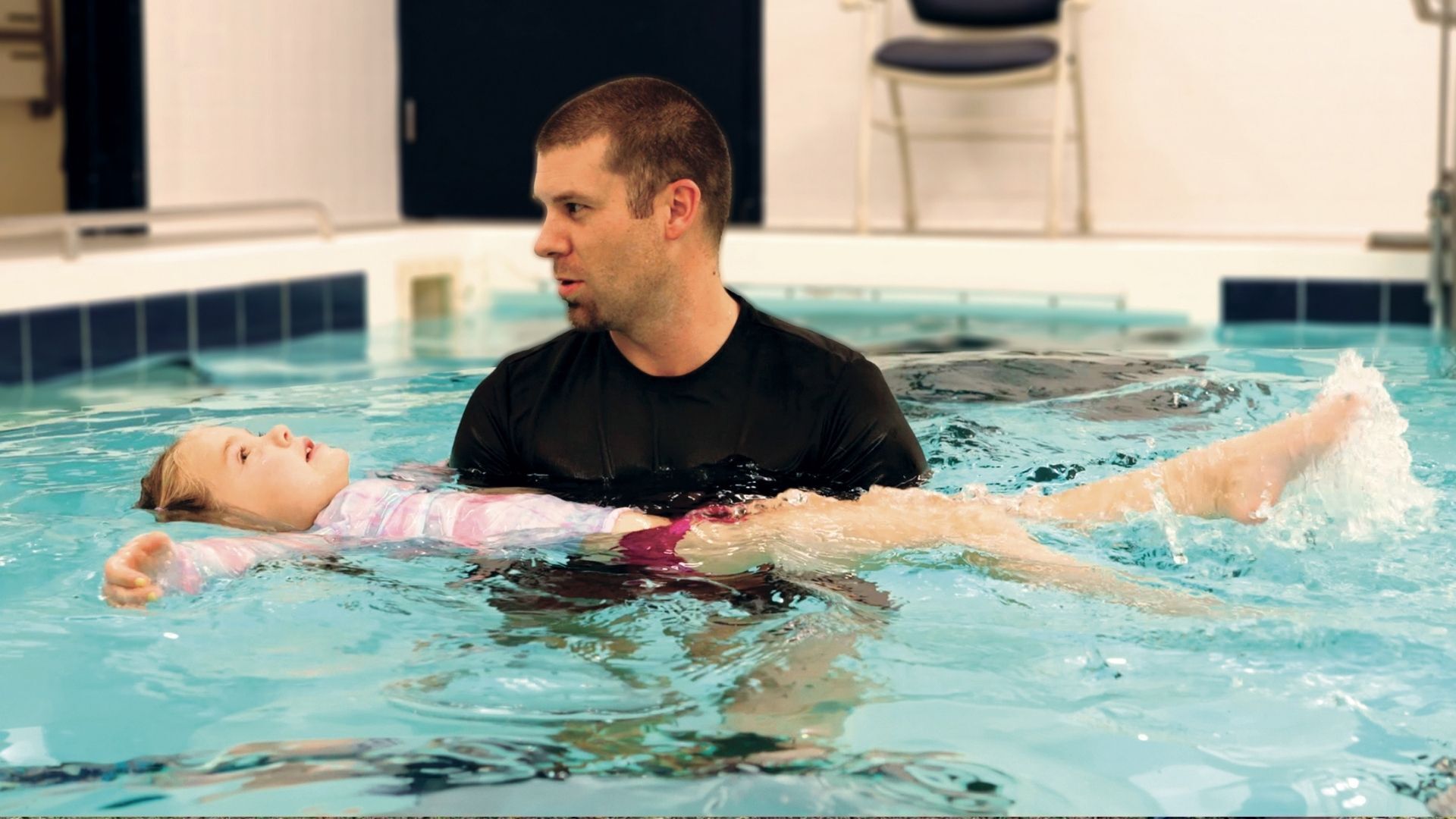
Getting dressed, preparing breakfast, or taking a shower can become difficult after an injury, surgery, stroke, or illness. When familiar routines require extra effort or assistance, occupational therapy can help patients find a safer way forward.
Occupational therapy benefits patients by helping them rebuild skills, adapt activities, and participate more independently in everyday life. At Franciscan Healthcare, occupational therapists help patients work toward their highest functional potential, with care focused on their individual needs.
What Is Occupational Therapy?
Occupational therapy helps people perform the activities they want and need to do each day. The word “occupation” includes much more than a job. It covers personal care, household responsibilities, school, work, hobbies, and caring for family members.
According to the American Occupational Therapy Association, occupational therapy uses everyday activities to support health, well-being, and participation in meaningful parts of life. A patient’s goals might include buttoning a shirt, preparing a meal, or returning to a favorite activity.
Occupational Therapy Benefits During Recovery
Occupational therapy connects recovery with practical tasks. Treatment may involve practicing an activity, addressing the skills needed to complete it, or learning a different approach.
Depending on the patient’s needs, therapy may help with:
- Personal care: Practicing dressing, bathing, grooming, and eating.
- Hand and arm function: Improving the ability to reach, grasp, and handle everyday objects.
- Adaptive equipment: Learning to use tools that make activities more manageable.
- Home safety: Identifying changes that support safer daily routines.
- Caregiver support: Teaching family members appropriate ways to assist.
Franciscan Healthcare offers daily activity retraining, adaptive equipment education, home safety assessments, and rehabilitation for hand and upper-extremity conditions. Its neurological rehabilitation services also include caregiver education and adapting tasks or environments.
Recovery After Injury or Surgery
Occupational therapy can help patients return to daily activities while following their recovery precautions. After a hand or arm injury, tasks such as holding utensils, fastening clothing, or opening containers may become challenging.
Treatment may combine rehabilitation of the affected area with strategies for managing necessary activities during healing. The approach depends on injury, procedure, and medical guidance.
Franciscan Healthcare provides post-surgical and general orthopedic rehabilitation of the hand and upper extremity, along with custom splint fabrication and modification when appropriate.
Recovery After Stroke or Neurological Illness
Occupational therapy helps stroke survivors regain function and learn new ways to complete everyday tasks. A stroke can affect movement, thinking, sensation, or vision, creating challenges that extend beyond physical weakness.
Therapy may include practicing self-care, learning strategies for remembering and organizing tasks, or using adaptive equipment. The American Occupational Therapy Association identifies these approaches as part of helping patients participate in life after stroke.
Franciscan Healthcare’s neurological rehabilitation services address individual needs related to stroke, brain injury, Parkinson’s disease, multiple sclerosis, and other neurological conditions.
Building Independence Around Personal Goals
Progress depends on the patient’s condition, abilities, and priorities. Independence may mean completing an activity without help, using an assistive tool, or participating more actively with caregiver support.
An occupational therapist considers what matters to the patient and identifies barriers to those activities. Care can then focus on meaningful, practical goals rather than a single definition of recovery.
Frequently Asked Questions
Is occupational therapy only for returning to work?
No. Occupational therapy supports everyday activities, including personal care, household tasks, hobbies, school, and work.
Can occupational therapy help after a stroke?
Yes. Occupational therapy can help stroke survivors rebuild skills and learn strategies for completing daily activities more independently.
Does occupational therapy include home safety?
Yes. Home safety assessments and recommendations may be part of occupational therapy when appropriate. Franciscan Healthcare lists home safety assessments among its services.
Take the Next Step Toward Everyday Independence
If daily activities have become difficult after an injury, surgery, stroke, or illness, ask your healthcare provider whether occupational therapy could help.
Explore Franciscan Healthcare’s occupational therapy services in West Point, Nebraska, to learn more about support for your recovery.